About

My Story

How paying attention in unfamiliar rooms turned into a decade of helping leaders be heard.

I grew up moving between countries and communities. Thailand as a boarding school student. Finishing high school in China. Different countries, different languages, different social hierarchies.

On the surface, I was often the outsider adjusting to a new environment. In practice, I rarely felt like one.

Adapting became normal. So did paying attention.

When you're new to a room, you notice things. Who people listen to. What earns trust. What creates distance. What makes someone credible beyond their title. How a single comment from the right person can shift an entire conversation.

I didn't think of it as a skill at the time. It was just how I navigated the world.

Until eventually, that attentiveness became my work.

The Real Work Was Communication

After completing three university degrees with distinction, I landed my first professional role as a junior research analyst. Just over a year later, at 23, I became Head of Global Operations for an international company spanning the US, Europe, and India.

I didn't get that role because I was the most experienced person in the room. I got it because I could walk into spaces where three regions were pulling in three completely different directions and get everyone moving together.

The technical operations mattered, sure. But the real work was communication. It was understanding what each region and department actually needed, what they feared, what they cared about. It was translating between different priorities without making anyone feel unheard. It was creating alignment not through force, but through clarity and connection.

That's when I realised communication isn't just a soft skill. It's a strategic lever. The difference between a good idea that gets stuck and an idea that moves people, organisations, and markets is almost always communication.
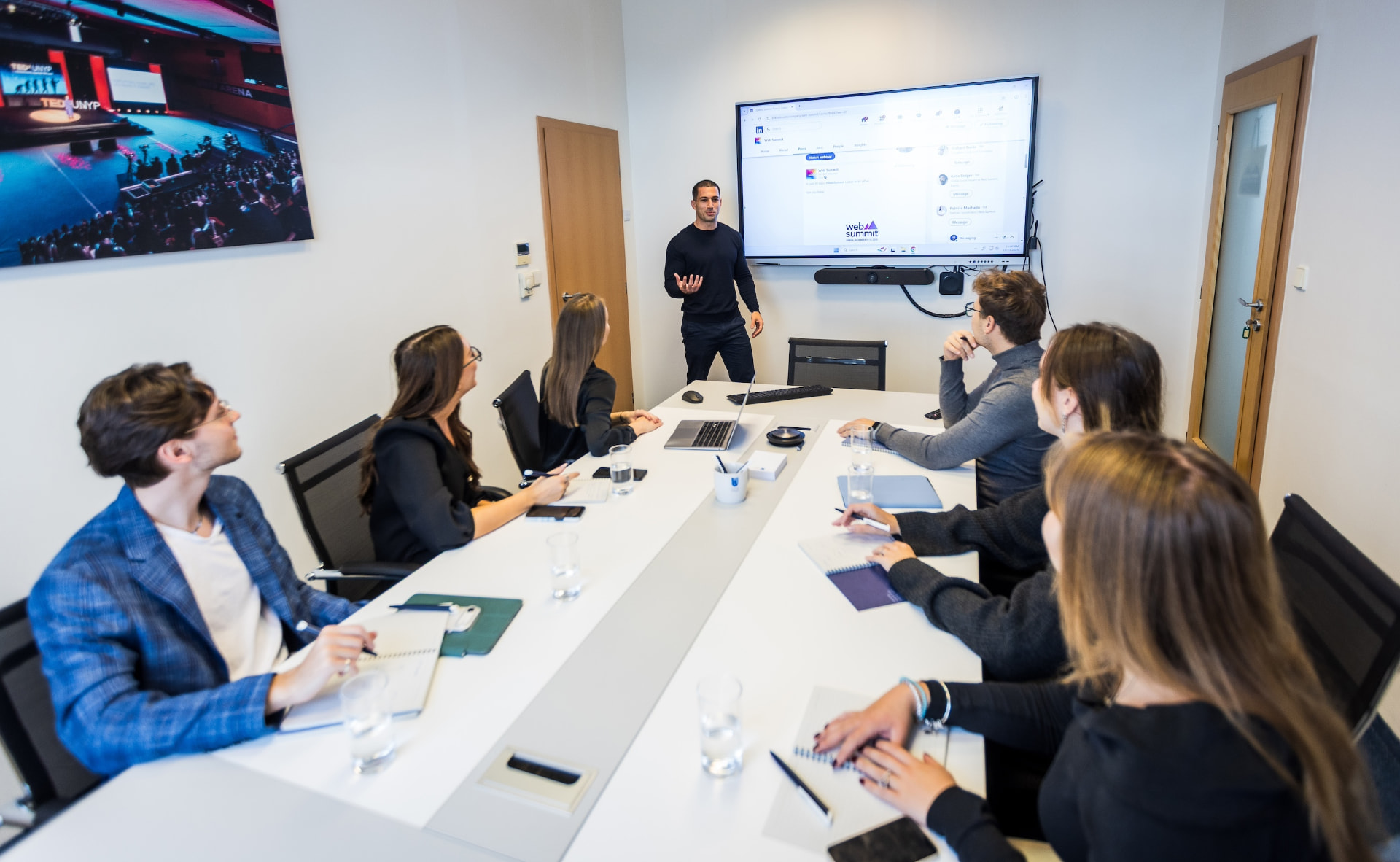

Amit Grinvald leading a strategy session with a team in a boardroom

Building TEDxUNYP

Around the same time, I founded and built TEDxUNYP, an independent TED event based in Prague. What started as a curiosity about bringing ideas to audiences evolved into something I became obsessed with: creating the conditions for authentic communication to happen at scale.

I'd fallen in love with the magic that happens when a speaker truly connects with an audience. And I saw the ripple effect. An idea lands. It spreads. It changes how people think. It moves them to action. That impact continued to scale into what is now one of Europe's most recognised TEDx events.

Building TEDxUNYP taught me that curation matters more than reach. The right talk, for the right audience, at the right moment, creates impact that no amount of views can measure. It's not about applause. It's about influence.

Amit Grinvald on the TEDxUNYP stage in front of a full auditorium

From Performing to Enabling

I've been privileged to speak on international stages alongside leaders like the Global Director of the BBC and the VP of NVIDIA. I've been invited by TED to lead discussions at their flagship events. I've moderated conversations hosted by MasterCard and shared lineups with some of the world's most recognised voices, like Michelle Obama and Steven Bartlett.

But the impact I feel most proud of isn't from my own talks.

It's from the leaders I coach. Senior managers who landed promotions before we even finish our program. Five TEDx speakers who were selected as TED Editor's Picks (a recognition achieved by just 0.07% of all TEDx talks worldwide). Several others ranked in the global 100 most watched talks of their year. Founders who went from uncertain to investable. Technical leaders who suddenly found their voice and became the people their organisations actually listened to.

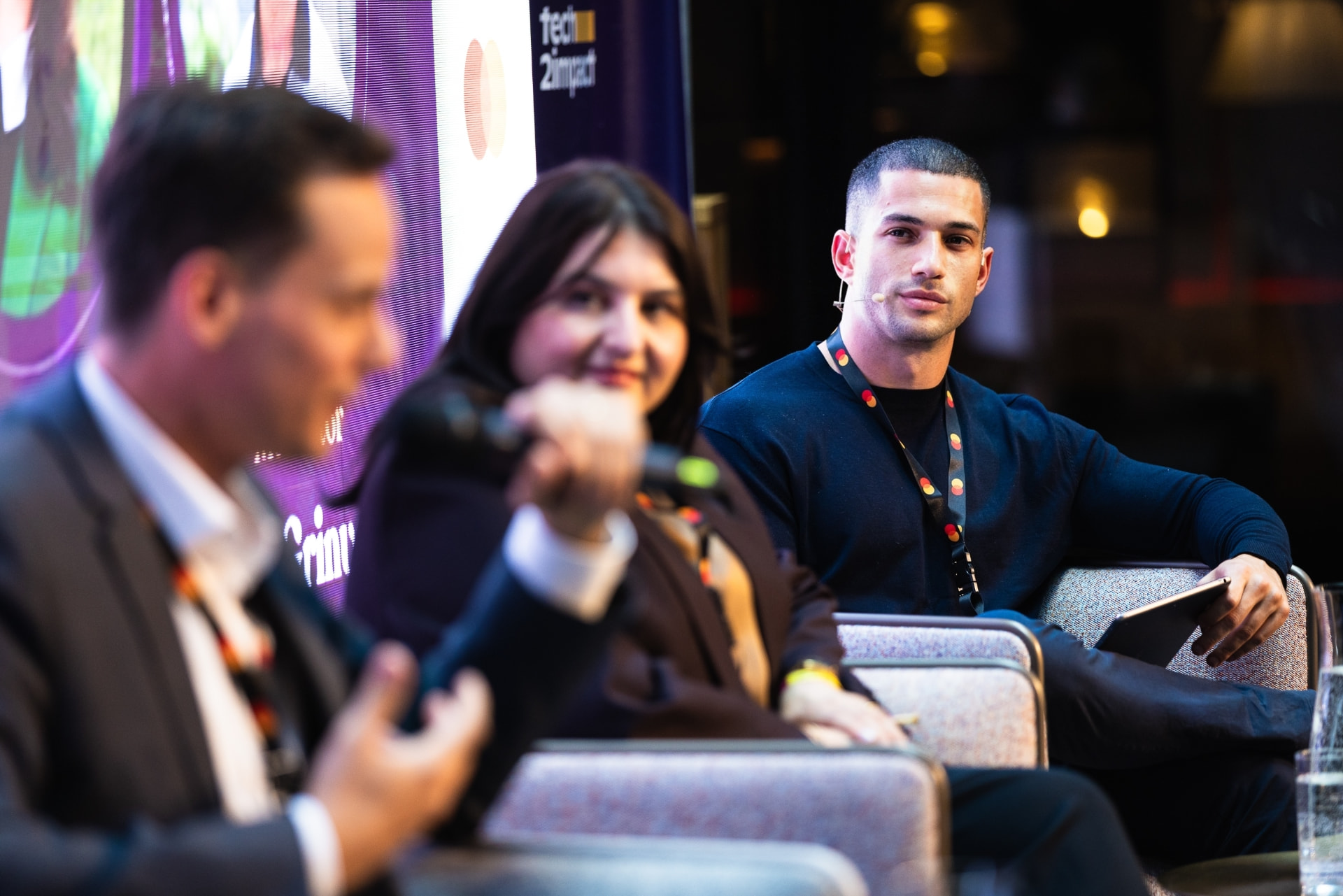
Amit Grinvald on a panel at a Tech2Impact conference

The Philosophy

Credentials may open the door, but they don't necessarily keep you in the room.

I've been fortunate to speak at major stages. TED, SXSW London, Bits & Pretzels, AI Summit Barcelona, and beyond. But I know from experience that stage credits alone don't move people. What moves them is bringing value. When audiences leave one of my talks, they leave with more than they came with. When a client finishes our work together, they're not just more confident. They're actually more capable of moving people.

Leading with value scales impact in a more authentic way than leading with credentials ever could.

It's why I've never been interested in hype or performance for its own sake. It's why my coaching is structured around real transformation, not motivational moments. It's why I'm genuinely more interested in whether an idea lands than whether a room gives you applause.

What Great Communicators Actually Do

After working with hundreds of leaders, I've noticed clear patterns.

Great communicators put in the work. They're willing to be uncomfortable in service of clarity. They ask hard questions about what they're actually trying to accomplish and whether their current approach is serving that. They iterate. They practice. They care more about landing an idea than about sounding impressive.

And they bring intention. Not manipulative intention. Genuine intention to serve the audience, to move the conversation forward, to create something real.

That combination of work plus intention is what separates the people who get heard from the people who don't. It's what separates leaders who get promoted from those with identical credentials who don't. It's what separates pitches that get funded from those that stall.

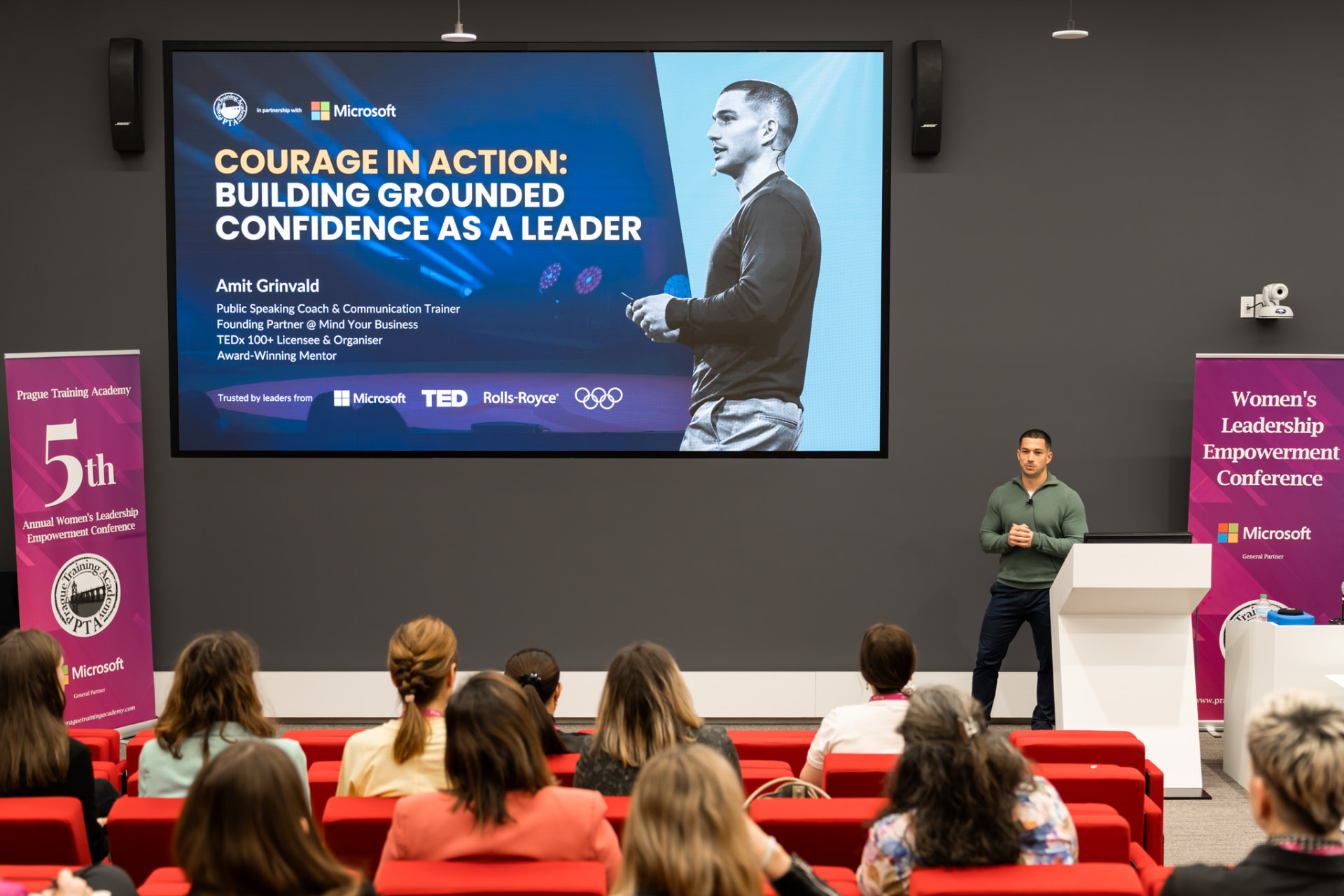
Amit Grinvald delivering a keynote at the Women's Leadership Empowerment Conference

What This Means Now

This work continues to evolve. I coach executives and founders on communication strategy and delivery. I host and moderate at conferences where ideas actually matter. I build events designed to make communication feel both strategic and deeply human.

And what drives it all is the same thing that got me started: watching what happens when someone truly connects, when an idea lands, when a leader stops trying to be impressive and starts trying to be clear.

That's when everything changes.

It starts with one conversation.

Tell me what's coming up — a talk, a pitch, a team, or a stage — and I'll tell you honestly whether and how I can help.